Grief kills pleasure. That's not a metaphor.
When someone you love dies, your nervous system floods with cortisol and adrenaline. Your body pulls blood away from pleasure centers and toward survival. Sex becomes unthinkable. Masturbation feels like a betrayal or a delusion. And that numbness can last months, sometimes years.
Here's what nobody tells you: your body isn't broken. It's doing exactly what it's supposed to do. But when you're ready to feel again, the reconnection doesn't happen automatically. It takes patience, gentleness, and sometimes the right tool.
Why grief numbs sensation so completely
Grief is a full-body state. The brain's pleasure circuits actually downregulate during acute grief. Your dopamine and serotonin drop. The pelvic floor tightens as part of the overall holding pattern your nervous system creates. Your clitoris, which relies on both blood flow and nervous system activation, becomes almost unresponsive. Many people report that their genitals feel numb or foreign, like they belong to someone else.
This isn't depression in the way we usually talk about it. It's a protective mechanism. Your body learned that pleasure equals vulnerability, and vulnerability is dangerous when you're grieving. So it shuts down.
That makes returning to sensation feel impossibly hard. Traditional vibrators often feel jarring or overstimulating because your nervous system isn't ready for intense sensation yet. You need something gentler. Something that wakes up the nerve endings without shocking the system.
Why air-suction tools work better for grief-numbed bodies
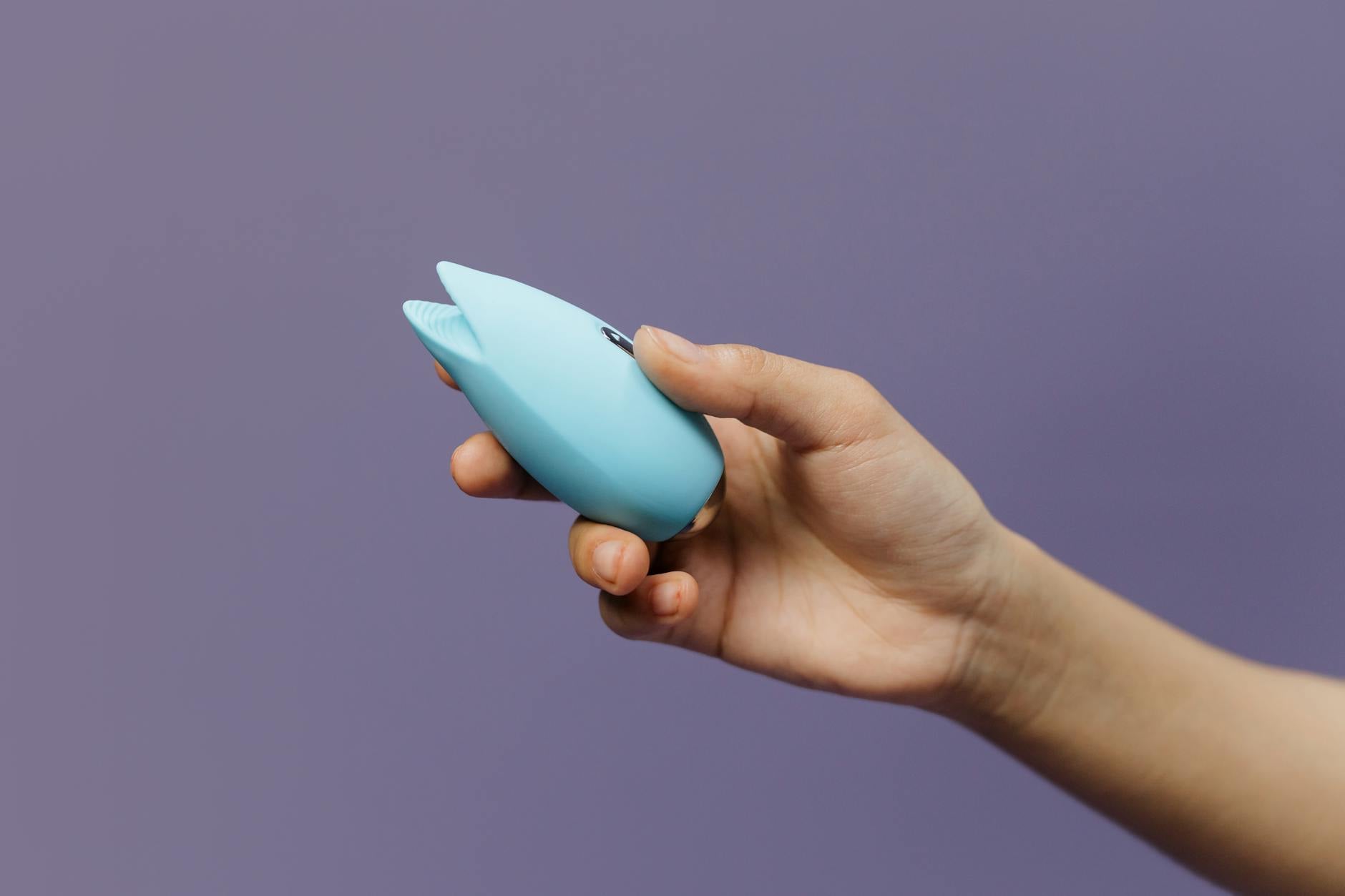
Lemon clitoral vibrators use suction and gentle pulsing instead of direct vibration. This matters more than it sounds when your body is in recovery mode.
With standard vibrators, you're essentially battering the same bundle of nerves over and over. If those nerves are numb, you either feel nothing or you override the numbness by increasing intensity, which can leave you sore and discouraged. Air-suction technology like what Lemon Wand offers uses a different mechanism entirely. It creates a gentle rhythm of suction and release that stimulates the whole clitoral structure, not just one spot.
For someone rebuilding sensation after grief, that gentler approach feels less aggressive. It's less likely to trigger a protective tensing response. And because suction engages more of the clitoral network, you often feel sensation returning faster than you would with a traditional vibrator.
Many of my clients report that using a lemon sucker helps them feel "in their body" again rather than floating above it. That's not poetry. That's the nervous system recognizing a gentle stimulus and beginning to relax.
The stages of returning to pleasure after loss
There's no fixed timeline, but the pattern is usually predictable.
Weeks 1-4: You're not ready yet. This is the phase where touching yourself feels impossible or deeply wrong. Don't push it. Your body is still in acute shock. Honor that.
Weeks 4-8: You start thinking about it. You might have random moments of horniness that feel guilty or strange. This is normal. Your nervous system is beginning to believe survival is possible. You're not ready to act yet, but the thoughts are starting to return.
Weeks 8-16: You touch yourself, but disconnected. This is where many people get discouraged. You go through the motions and feel almost nothing. This isn't failure. You're teaching your nervous system that touch is safe again. Consistency matters more than intensity.
Weeks 16+: Sensation starts returning. This is slow. You might use a lemon vibrator and feel tingly. Then nothing for two weeks. Then something again. That inconsistency is part of grief recovery, not a sign something's wrong.
How to use lemon sexual toys when you're rebuilding sensation
Start at the lowest setting. Most people want to jump to intensity 3 or 4, thinking "maybe I just need more power." You don't. You need consistency and patience.
Set aside 10-15 minutes where you're not tired or rushed. Turn off your phone. Put on music if silence feels too heavy. Then use your lemon clitoral vibrator on the lowest setting for two to five minutes. You might feel nothing. That's okay. You're sending a signal to your nervous system: "Touch is safe. Pleasure is possible."
Do this three to five times a week. Not every day (that can feel like pressure). Not once a month (your body forgets). Just regularly enough that your nervous system believes in it.
When you start feeling sensation, don't jump to orgasm as the goal. Feeling a tingle is already a win. Feeling warmth building is already a win. Give yourself permission to stop whenever. Orgasm will come back. Right now, sensation is the goal.
Many people find that air-suction toys like those from Lemon Wand feel less intimidating than their previous vibrators because the sensation is more diffuse and less intense. If you've never used one before, that gentleness can be exactly what your grieving body needs.
When pleasure starts coming back, you might feel guilty
This is so common and so worth naming. You're grieving someone's death. You're rebuilding your sexuality. Your nervous system might interpret that as a betrayal or as meaning you're "over it."
You're not. Rebuilding pleasure doesn't erase grief. Your grief can expand to hold both: the person you lost and your own right to feel good in your body. These aren't competing truths.
Some people find it helps to acknowledge the loss consciously before touching themselves. You might think about the person you lost, say something internally like "I carry you with me," and then give yourself permission to feel your own pleasure. That's not disrespectful. That's integration.
How to talk about this if you're partnered
If you have a partner, they're grieving too. Their needs for physical intimacy probably don't match yours right now. That mismatch creates shame and pressure on both sides.
The conversation isn't "I'm not interested in sex." That sounds like rejection. The conversation is "My nervous system is in protection mode. I need to rebuild sensation on my own timeline before we come back together. This isn't about you. This is about me healing."
Some couples find that one partner using a lemon vibrator while the other is present (but not demanding anything) is a middle ground. You're not having sex. You're not isolated. You're slowly rebuilding your relationship to pleasure while your partner witnesses that you're still alive in your body.
That's not for everyone. But for some grieving couples, it's the bridge back.
The timeline is not linear
You might feel your sensation returning beautifully for three weeks, and then something triggers a grief wave and you're numb again. This doesn't mean you've failed. It means grief doesn't follow a straight line.
Keep your lemon clitoral vibrator in a drawer. Use it when you're ready. Skip it when you're not. Your body knows what it needs.
Most people report that about four to six months after they start this gentle, patient approach, pleasure feels real again. By nine months, sensation is back to baseline. By a year, many people are having the most intentional, present sexual experiences of their lives because they've had to rebuild it consciously.
That's not because lemon sexual toys are magical. It's because you're rebuilding your relationship to your body with intention and care. The tool just makes that possible.
FAQ: Returning to pleasure after grief
How long does it take to feel sensation again after grief?
There's no universal timeline, but most people report noticeable sensation returning within three to four months of consistent, gentle touch work. For some, it's faster. For others, it takes six to nine months. What matters is consistency, not speed. Your nervous system learns that pleasure is safe through repeated, gentle exposure.
Is it normal to feel nothing when using a lemon vibrator after grief?
Completely normal. Grief numbs the nervous system intentionally. When sensation is absent, that doesn't mean your body is broken. It means your brain is still protecting you. Keep using the vibrator anyway, at the lowest setting. You're teaching your nervous system that touch is safe. Sensation will return.
Can using a vibrator feel wrong or disrespectful to the person I lost?
You're not being disrespectful to your grief by rebuilding pleasure. Your body surviving, healing, and feeling good is not a betrayal of the person you lost. Grief and your own aliveness can exist together. If the guilt feels very heavy, talking to a grief counselor alongside your own pleasure rebuilding can help.
Should I tell my partner that I'm using a lemon clitoral vibrator to rebuild sensation?
That depends on your relationship. If you're partnered and share intimacy, transparency about your own healing journey usually helps. You might say: "I'm rebuilding my relationship to pleasure after grief. I'm using a tool to help me feel safe in my body again. This is about me healing, not about you." Some partners want to be part of that. Others respect it from a distance. Both are okay.
What if I'm still numb six months in?
Talk to a grief counselor or therapist. Sometimes grief becomes complicated grief, and numbness can indicate depression that needs clinical support. That's not failure. That's recognizing you need additional help. Pleasure rebuilding tools work best alongside professional support if grief is persistent.
Can using a lemon sucker make you feel more or less connected to grief?
This varies. Some people find that rebuilding pleasure helps them feel present in their body again and actually lightens some of the weight of grief. Others find it triggers waves of sadness. Both are normal. If it triggers you heavily, take a break. There's no deadline. You can return to it when you're ready.
Grief isn't something you fix. It's something you integrate. And rebuilding your capacity for pleasure, for aliveness, for feeling your own body is part of that integration. It's slow. It's patient. It's yours to move at. Be gentle with yourself.