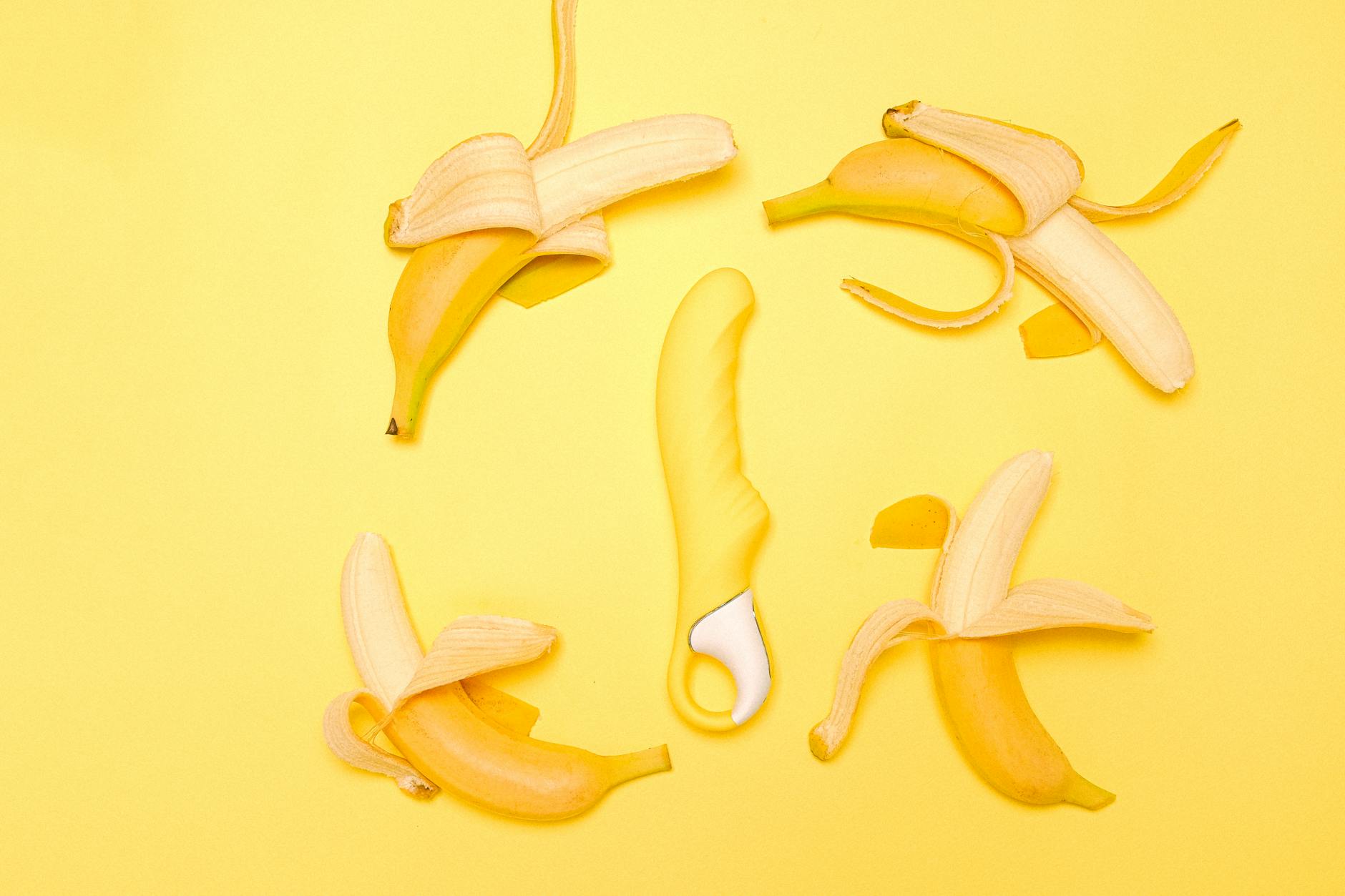
Here's what nobody tells you about hormonal IUDs
Hormonal IUDs work by releasing a synthetic progestin directly into your uterus. The upside? Lighter periods, often no periods at all, and highly effective contraception. The downside that nobody talks about at your gynecologist's appointment? A noticeable flattening of sexual sensation and arousal.
This isn't your imagination, and it's not a personal problem. It's a documented side effect that happens to roughly 15-20% of hormonal IUD users, though plenty more report a subtle muting they can't quite name.
How synthetic progestin affects pleasure
Progestin doesn't just work in your reproductive system. It crosses into your bloodstream and affects dopamine and norepinephrine, the neurotransmitters that drive desire and arousal. It also lowers systemic testosterone slightly, which matters because testosterone (yes, everyone produces it) directly influences clitoral sensitivity and orgasm intensity.
The result isn't the total shutdown you might experience on certain birth control pills. But it's real. Arousal takes longer to build. Orgasms feel less intense, sometimes almost distant. Direct touch that used to feel delicious now feels like it's happening through a veil.
Many people describe it as their clitoris feeling "numb" or "sleepy."
Why lemon vibrators work differently than you'd expect
This is where it gets practical. Standard vibration, like you get from a wand vibrator or bullet, can feel even duller when sensation is already muted. It's not wrong. It's just not specific enough.
Lemon vibrators work through a combination of rhythmic micro-movements and targeted suction that create a totally different kind of stimulation. Instead of broad vibration across the tissue, they create a gentle pulling sensation that wakes up the nerve endings without requiring you to feel a huge amount right away.
Think of it like this. If your clitoris is in "low power mode" from the hormonal IUD, a lemon vibrator is designed to gradually nudge sensitivity back online rather than demand a response from nerves that are already half-asleep.
The mechanics of why suction-based clitoral vibrators work better here
Your clitoris has roughly 8,000 nerve endings concentrated in the glans (the visible part). Those nerves respond to different types of pressure. Some light up for direct touch. Others respond specifically to suction and gentle pulling.
When progestin mutes overall sensation, the suction-responsive nerves often remain more accessible than the ones that fire for traditional vibration. This is why people on hormonal IUDs often report that a lemon clitoral vibrator produces pleasure that feels more present and achievable than other toys.
You're not forcing sensation. You're choosing a stimulation method that matches how your nervous system is currently wired.
What settings actually work
If you've already got a lemon vibrator or are thinking about trying one, these practical steps help the most.
Start on the gentlest setting. Not because you're fragile, but because sensation building is the goal here. Spend 10-15 minutes on pattern 1 or 2 before even thinking about turning it up. Your nervous system will respond by waking up the more sensitive nerve pathways.
Add water-based lubricant. Progestin can slightly thin vaginal tissue, and even if it doesn't affect you noticeably, lube makes suction work more effectively by creating a better seal. This isn't about compensation. It's about mechanics.
Be patient with variability. Some days your clitoris will respond more quickly than others. This is normal on a hormonal IUD. What matters is that you're using a tool designed for reduced-sensitivity scenarios.
The timeline for sensitivity to return
One question I get often. If I switch methods or have my IUD removed, how fast does sensation come back?
For people who remove their hormonal IUD, noticeable changes usually start within 2-3 weeks and continue gradually for up to 3 months. Your dopamine and testosterone levels begin normalizing almost immediately once the progestin source is gone.
For people keeping their IUD, the pattern is different. Many find that using a lemon vibrator consistently actually helps sensation feel more available over time. You're not correcting a deficiency. You're learning to access pleasure through a method that works with your current hormonal reality rather than against it.
What to avoid (and why)
Don't assume you need a stronger toy. This is the most common mistake. People with IUDs and flattened sensation often jump to high-powered wand vibrators thinking "more power equals more feeling." It doesn't. A lemon vibrator on a gentle setting will usually feel dramatically better because it's a different type of stimulation.
Don't judge yourself for needing help. Hormonal IUDs are wildly effective at preventing pregnancy. The fact that one side effect is reduced pleasure doesn't make you broken or oversensitive. It makes you someone who's made a choice about contraception and now deserves tools that work with your body.
Don't ignore major changes in desire. If your IUD has tanked your libido to the point where pleasure feels impossible even with good tools, that's worth talking to your gynecologist about. Progestin-releasing IUDs can sometimes trigger mood changes or depression in sensitive people. That's a different conversation than sensation alone.
Real talk about IUDs and relationships
If you have a partner, this shift often affects them too. Sometimes they take it personally. "You don't respond like you used to." "Maybe you're not attracted to me anymore."
It helps to separate two conversations. One is practical: "My body's response has shifted because of my IUD, and here's how we can work with that." The other is relational: "I still want you. I still love you. We're just recalibrating."
A lemon vibrator becomes part of that recalibration. Some couples use it together. Some use it solo and then return to partnered sex when arousal is more accessible. There's no script. The point is making room for pleasure rather than just accepting the flattening as permanent.
When to consider switching methods
There are good reasons to stay on a hormonal IUD. Periods disappear for many people. Protection is rock solid. Insertion is a one-time event.
But if sexual pleasure is genuinely central to your wellbeing and your IUD has dulled it beyond what feels acceptable, you have options. Copper IUDs (hormone-free). Pills with lower progestin doses. Other methods entirely.
You don't have to choose between effective contraception and pleasure. Sometimes you can have both with the right support.
FAQ
How quickly does a lemon vibrator help with IUD-related numbness?
Most people notice something within the first few sessions. It's not that sensation magically returns. It's that the specific type of stimulation a lemon vibrator provides lights up nerve endings that might be quieter with other toys. You might feel a difference in intensity or presence of sensation within 3-5 uses, though pleasure deepens over weeks as you learn what settings work best.
Can I use a lemon vibrator if my IUD also affects lubrication?
Absolutely. Add water-based lubricant generously. Hormonal IUDs can slightly thin vaginal tissue, and lube isn't a workaround. It's just smart mechanics. The suction function of a lemon clitoral vibrator works better with lube anyway, so this is a win-win.
Do lemon vibrators work if I've been on my IUD for years?
Yes. The numbing doesn't get better on its own, but that doesn't mean your clitoris is permanently changed. The nerve endings are still there. A lemon vibrator is just designed to access them more effectively when sensation is muted. Many people who've had their IUD for 5+ years find that trying a lemon vibrator for the first time completely shifts their experience.
What if I use a lemon vibrator and feel nothing at all?
First, make sure you're giving it real time. Start on the lowest setting and spend 15-20 minutes. Your nervous system needs runway. If after several sessions you're still feeling nothing, a few things might help. Add more lube. Try a different pattern or setting. Give it another week. If pleasure genuinely isn't returning, that's worth mentioning to your gynecologist. Sometimes IUDs just aren't the right fit for individual bodies, and that's okay.
Can I use a lemon vibrator with a partner if I have a hormonal IUD?
Yes. Some couples integrate it into partnered sex. Others use it solo to build arousal, then move to partnered activity. There's no right way. The key is communication. "My body needs this type of stimulation right now" is a complete sentence. You don't need to explain or apologize.
If I remove my IUD, do I still need a lemon vibrator?
You might not need it the same way, but you might still love it. Once sensation returns, many people find that lemon vibrators feel even better because they're choosing them for pleasure, not for compensation. Some people switch methods entirely. Others keep their favorite toy because it just works for their body. There's no obligation either way.
The bottom line
A hormonal IUD is a legitimate, effective choice. So is wanting your pleasure back. A lemon vibrator isn't a hack or a workaround. It's a tool designed for exactly this scenario. Your clitoris hasn't gone anywhere. You're just learning a more effective way to reach it.
If you're struggling with sensation on a hormonal IUD and haven't tried a suction-based clitoral vibrator, it's worth the experiment. Start gentle. Add lube. Give it time. Most people discover they can access pleasure again faster than they expected.